Delicious Ways to Enjoy a Visit to a Cuban Bakery in Aurora CO
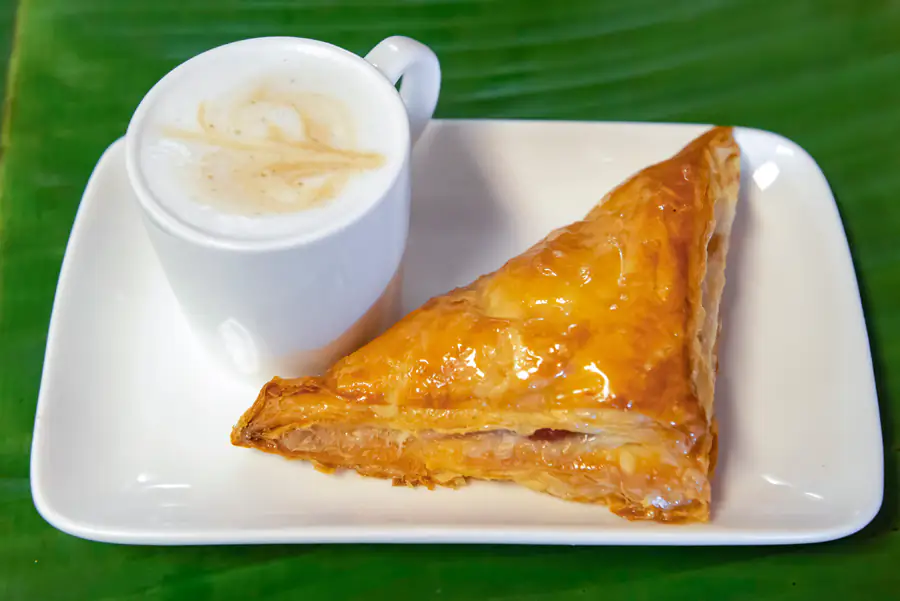
There is a certain kind of happiness that only shows up when you walk into a bakery early enough to catch the first trays coming out of the oven. The air is warm, the glass cases are still being arranged, and you can smell butter, sugar, yeast, and coffee before you decide what to order. A good Cuban bakery adds another layer to that experience. It is not just about pastry. It is about rhythm, hospitality, and the balance between something sweet, something savory, and something strong in a cup.
If you are planning a stop at a Cuban bakery in Aurora CO, it helps to know what to look for and how to order in a way that lets you enjoy the place fully. Cuban bakeries can be casual and quick, but they reward curiosity. The best visits are rarely rushed. You step in for a pastry and leave having tried a sandwich, a coffee, and something you did not expect to love.
Aurora is a city where food cultures sit side by side in a very practical, everyday way. You can drive a few minutes and move between cuisines, languages, and traditions without any fuss. That makes the local bakery scene especially fun. A Cuban bakery here can serve longtime regulars who grew up with these flavors, neighbors who are trying them for the first time, and families who simply want breakfast that tastes like someone cared while making it.
What makes a Cuban bakery visit different
Many people expect a bakery to be mostly cakes and cookies. A Cuban bakery usually offers a wider experience. Yes, there are pastries, often rich, flaky, and generously filled. But there are also savory staples, breads meant for sandwiches, coffee that carries its own culture, and often a counter service style that keeps things moving without feeling impersonal.
One of the defining pleasures is contrast. You might bite into a sweet guava pastry with crisp layers and then follow it with a sip of dark Cuban coffee that cuts through the sugar. Or you might start with a warm ham croquette, then move to a creamy dessert. The appeal comes from building a meal out of several smaller pleasures rather than placing all your hopes on one oversized item.
There is also a practical side to it. Cuban bakery food is often ideal for real life. It works for breakfast before work, a midmorning coffee break, lunch on the go, or a box of treats to bring home. Good bakeries understand pace. They know some customers want to linger and some need to be back in the car in eight minutes.
Start with the pastry case, but do not stop there
The pastry case is usually where your eyes go first, and for good reason. The visual appeal is part of the fun. You may see guava pastries, cheese pastries, coconut sweets, custard-filled options, and puff pastries dusted with sugar. Some are delicate and flaky, others dense and rich. If you are new to Cuban bakery staples, the most approachable move is to order one fruit-based pastry and one cream or cheese-based pastry so you can compare styles.
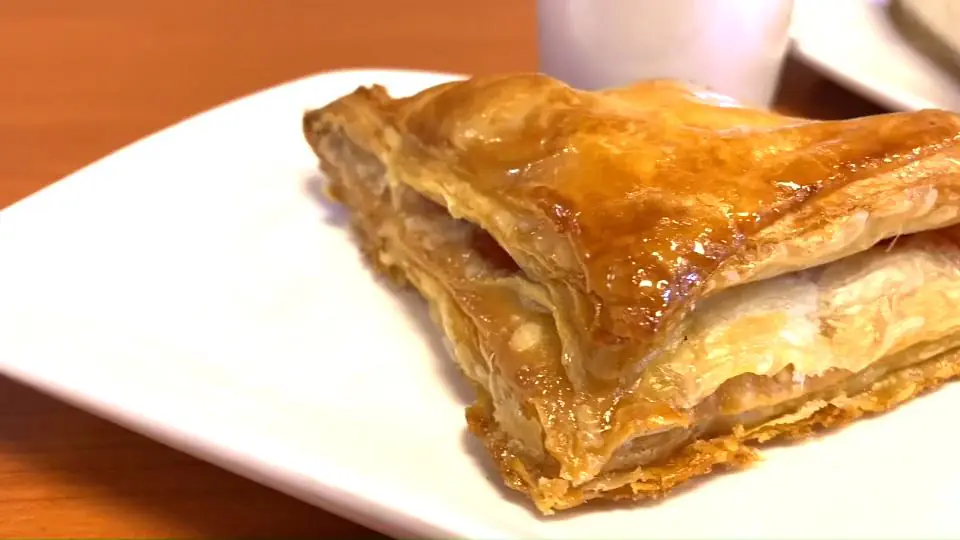
Guava and cheese is a classic combination for a reason. The guava brings brightness and floral sweetness, while the cheese softens the edges and adds a slight tang. When it is done well, neither side dominates. You get the crispness of the pastry first, then the filling opens up. It is simple food, but it is built on proportion. Too much guava and it becomes sticky. Too much cheese and the pastry can feel heavy. The bakeries that get this right tend to get many other things right too.
Coconut pastries deserve more attention than they often get. They can be sweeter than guava options, and that means they pair especially well with coffee. If you tend to like toasted, nutty flavors and a little chew in the filling, this is often a strong choice. Custard pastries can be wonderful in the morning when they are fresh and cool, though they are sometimes less travel-friendly if you are taking a box to go in warm weather.
A small but useful bit of bakery wisdom, flaky pastries are usually at their best earlier in the day. Cream cakes and denser sweets often hold better over several hours. If you are buying for later, ask what was baked fresh that morning and what travels well. Good staff members answer these questions quickly because they get them all the time.
The savory side is where many first-timers get hooked
People who think they are only stopping for dessert often change course once they notice the savory options. This is where a Cuban bakery in Aurora CO can become a regular lunch stop rather than an occasional treat destination.
Croquettes are often the gateway item. They are compact, satisfying, and easy to eat without much ceremony. A ham croquette should have a crisp exterior and a creamy interior with enough seasoning to stay interesting. If it tastes bland or greasy, that is usually a warning sign. A good croquette feels light for what it is. It should not sit in your stomach like a paperweight.
Empanadas, stuffed pastries, and savory rolls can vary widely depending on the bakery. Some lean toward hearty fillings with meat and spice, while others focus on milder flavors and buttery dough. There is no single right version, but texture matters. You want pastry that still has structure, not something that collapses or leaks oil at the first bite.
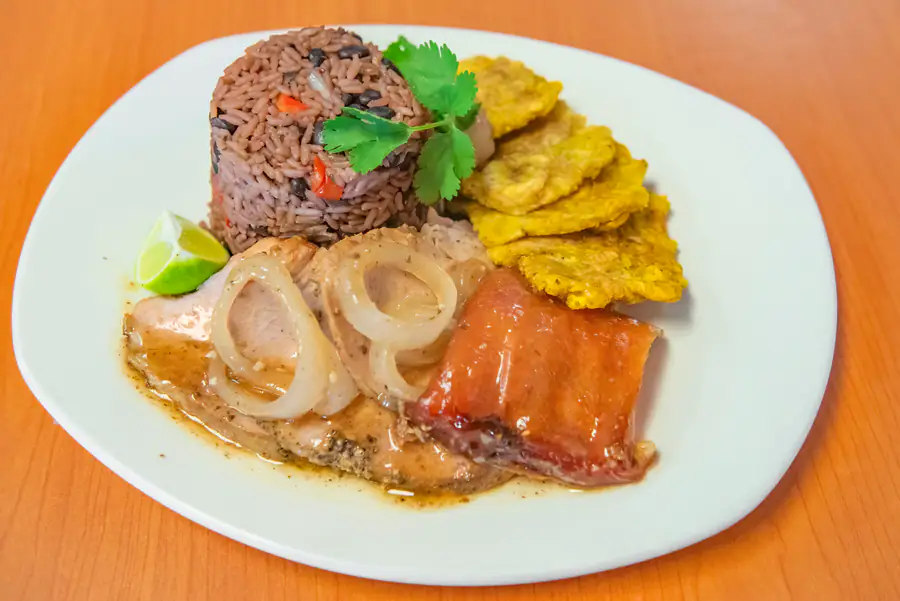
Then there are sandwiches. The Cuban sandwich itself has enough mythology around it to start arguments, but at a neighborhood bakery, what matters most is balance and execution. Bread should crackle slightly when pressed, not shatter into dry crumbs. The pork should be seasoned and moist. Ham, pickles, mustard, and cheese should be present in a way that keeps the sandwich bright and savory rather than flat and salty. A well-made Cuban sandwich is deeply filling, but it should still have a clean line of flavor.
Medianoche is another excellent choice if you prefer a slightly softer, sweeter bread. It tends to feel a bit gentler than a classic pressed Cuban sandwich, especially for people who find the standard loaf too crusty. That difference may sound minor, but it changes the whole bite. The best way to learn your preference is simple, try both on different visits.
Coffee is not an accessory
If you skip the coffee, you miss part of the point. Cuban coffee is not a giant paper cup to sip for two hours while answering email. It is more concentrated, more purposeful, and usually sweeter than what many American coffee drinkers expect. It has presence.
A cafecito is often the place to begin. It is small but potent, with a layer of sweet foam if prepared traditionally. The portion may look modest, but it is not meant to be treated like drip coffee. It is meant to wake you up and sharpen the pastry or sandwich beside it. If you usually take your coffee black and unsweetened, a Cuban coffee can still win you over because the sweetness is part of its structure, not an afterthought stirred in at the end.
A cortadito is a good middle ground for people who want espresso strength softened by milk. It has enough richness to stand up to a savory breakfast and enough smoothness to pair with pastries. Café con leche, meanwhile, offers a gentler start to the day and works especially well with toasted bread or a simple ham-and-cheese item.
If you are uncertain what to order first, this combination rarely disappoints:
- a guava and cheese pastry
- a ham croquette or savory pastry
- a cafecito or cortadito
That trio gives you a full sense of the bakery’s range without overcommitting. It also lets you see whether the shop excels more in its pastry work, its savory counter, or its coffee program.
Timing changes the experience
Not every hour at a bakery feels the same. Morning is usually the strongest time for texture. Puff pastries stay crisp, bread tastes fuller and more aromatic, and coffee service has a certain speed and focus. If you care most about freshness, go early, especially on a weekend.
Midday can be ideal if sandwiches are your priority. The kitchen is in full stride, the cases are fully stocked, and there is enough turnover that savory items rarely linger too long. It is also a practical time if you want to grab lunch and a box of pastries for later.
Late afternoon can still be rewarding, but you need to order with more selectivity. Some items hold beautifully. Others lose their edge. This is where asking what came out recently makes a difference. Many people feel awkward doing that, but bakery staff generally appreciate customers who care enough to ask. It saves disappointment on both sides.
There is also the question of weekends versus weekdays. Weekends tend to feel more social. Families come in together, people pick up larger orders, and the atmosphere can be lively. Weekdays often offer a calmer pace and a better chance to ask questions if you are unfamiliar with the menu.
How to order like someone who has been there before
The easiest mistake at a bakery is over-ordering blindly. Everything looks good, and before you know it, you have six pastries that all lean sweet and buttery in nearly the same way. Variety matters more than volume.
Think in terms of contrast. Pair sweet with savory, crisp with creamy, and strong coffee with something rich. If you are sharing, order across categories rather than doubling down on one. Two people can have a much better experience with three or four distinct items than with a box full of similar pastries.
It also helps to watch the regulars for a minute. Every bakery has patterns. Maybe the line consistently asks for croquettes by the dozen, or maybe the pressed sandwiches keep coming out one after another. That does not guarantee excellence, but it is useful evidence. Regulars tend to reveal what a bakery truly does well.
A few practical habits make a big difference:
- ask which pastries were baked that morning
- if you want sandwiches, order them hot rather than grabbing one that has been sitting
- buy delicate pastries last if you are making several stops
- get extra napkins if you order flaky items in the car
- if you love something, buy one more than you think you need
That last point comes from experience. The best bakery items rarely improve by the time you decide later that you should have taken another one home.
Bringing home a box without ruining it
Pastries are generous gifts, but they need a little care. A warm car can undo an hour of careful baking in twenty minutes. Cream-filled items and iced cakes should go home directly, especially in warmer months. Flaky pastries should sit flat, not upright in a crowded bag where they crush each other.
If you are buying for coworkers or family, balance familiar choices with one or two bakery-specific specialties. People appreciate having an easy starting point, but they also remember the item they had never tried before. Guava and cheese pastries tend to convert skeptics because the flavor is distinctive without being intimidating.
For home service, avoid refrigerating everything automatically. Refrigeration can dull texture, especially in laminated or puff pastries. Some items are better lightly rewarmed in a low oven for a few minutes. Others should be left at room temperature and eaten the same day. When in doubt, ask. Bakeries that care about quality usually give straightforward advice.
What to notice if you care about craft
Even casual bakery visits become more enjoyable once you know what signals quality. Bread should smell alive, not merely baked. Pastry should reveal layers, not just crumble into dryness. Fillings should taste like ingredients, not only sugar. Coffee should feel intentional, not like a menu obligation.
There are subtler signs too. A good bakery manages turnover. Cases are replenished without looking chaotic. Staff can identify favorites quickly. Savory and sweet items both seem to have champions among the regulars. None of this requires luxury or polish. Some of the most dependable bakeries are modest spaces with bright cases, quick service, and no interest in trendiness at all.
One of the best measures of quality is whether the food makes you want another bite for a new reason. First, because it smells good. Then, because the texture surprises you. Then, because the sweet and salty notes line up better than you expected. That layering of pleasure is the difference between decent bakery food and memorable bakery food.
Visiting with kids, friends, or out-of-town guests
Cuban bakeries are especially good places to share with people who like trying a little of everything. They offer enough range to keep groups happy without the heaviness of a full sit-down meal. Kids often respond well to the pastries and sweet breads. Adults usually appreciate the coffee, sandwiches, and more nuanced sweets.
If you are bringing out-of-town guests, a Cuban bakery in Aurora CO can also say something honest about the local food culture. It shows the city as it actually is, diverse, practical, and full of places that earn loyalty through consistency rather than hype. Not every memorable food experience needs a reservation, a tasting menu, or a dramatic dining room. Sometimes it is a pastry case, a sandwich press, and a counter person who knows half the room by name.
For groups, the smartest move is often to order a spread for the table or car ride rather than individual meals. A mix of pastries, a couple of sandwiches cut in halves, and a round of coffee lets everyone taste more broadly. It also takes pressure off choosing perfectly the first time.
The pleasure of becoming a regular
There is a difference between discovering a bakery and returning to one often enough that your order starts to form itself before you reach the counter. The first visit is about exploration. The fourth or fifth is about refinement. You learn which pastry tastes best before ten in the morning, which sandwich hits right on a cold day, and whether you prefer your coffee with more milk or none at all.
That familiarity is part of the appeal. Cuban bakeries tend to invite routine in the best sense. They become stops woven into errands, workdays, school pickups, and weekends. You do not need a special occasion to justify a visit. In fact, ordinary days are usually the best ones for it.
Some of the strongest food memories come from places that combine quality with repetition. Not because they are flashy, but because they are reliable and human. The counter person remembers your usual. The pastry you loved last month is still good this month. The coffee tastes the way it should. That consistency builds trust, and trust is what turns a one-time customer into someone who recommends the place without hesitation.
Making the most of your first visit
If you have never set foot in a Cuban bakery before, the menu can seem broader than expected. That is not a problem. It is the fun of it. Let yourself try one classic, one curiosity, and one practical staple. Maybe that means a guava and cheese pastry, a croquette, and a cortadito. Maybe it means a pressed sandwich, a coconut pastry for later, and coffee strong enough to carry you through the afternoon.
The important thing is to pay attention. Notice whether the bread crackles. Notice whether the guava tastes bright rather than syrupy. Notice how the coffee changes the pastry beside it. Food like this is approachable, but it is not careless. The details matter.
A good visit to a Cuban bakery in Aurora CO is delicious in an immediate, obvious way. It is also satisfying on a deeper level because it connects craft, comfort, and community in one small stop. You walk in hungry. You leave with buttery fingers, the scent of coffee still with you, and at least one reason to come back https://elliotteust177.clearminster.com/posts/classic-cuban-desserts-you-can-find-in-aurora-co soon.
Cuba Bakery & Café
15028 E Mississippi Ave, Aurora, CO 80012
+1 303-752-2822
FAQ About Cuban bakery Aurora CO
What are Cuban pastries called?
Many small Cuban pastries are called pastelitos. They can have sweet or savory fillings, such as guava, cheese, guava and cheese, or seasoned meat. Cuba Bakery & Café lists guava, cheese, guava-and-cheese and beef pastries on its menu. Ask the bakery about current availability and ingredients when ordering.
What are traditional Cuban pastries?
Common Cuban bakery choices include flaky pastelitos filled with guava, cheese or meat. Cuban bakeries may also offer empanadas, breads and desserts alongside coffee. Cuba Bakery & Café lists pastelitos, several empanada fillings, pan Cubano and desserts such as tres leches and bread pudding. Selection can vary, so confirm the day's choices with the bakery.
What makes Cuban bread different?
Cuban bread is known for its light interior and a thin crust that becomes crisp when toasted or pressed. Traditional recipes often use lard, although ingredients vary by baker. It is commonly served as buttered toast or used for Cuban sandwiches. Cuba Bakery & Café lists pan Cubano and tostada on its menu; ask staff about the ingredients in their bread if you have dietary restrictions.